House flipping is a race against the clock. Every day a property sits unfinished is a day of carrying costs, lost equity, and missed opportunity. While renovations and staging get most of the attention, the unsung hero of a successful flip is the cleanout phase. A swift, organized waste removal strategy can shave days off your timeline and prevent costly delays. This article focuses on house flipping cleanout: coordinating waste removal for quick turnaround, giving you a practical framework to keep your project moving.
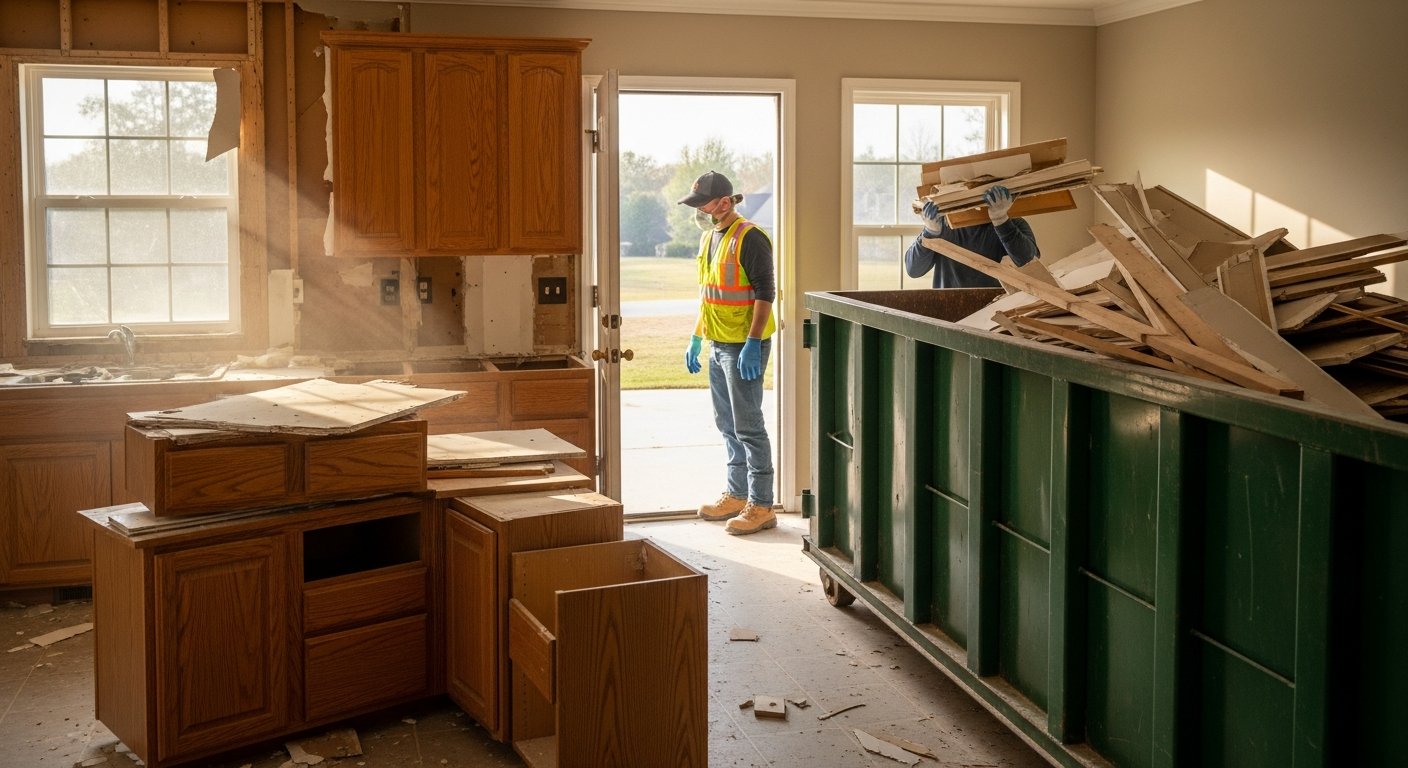
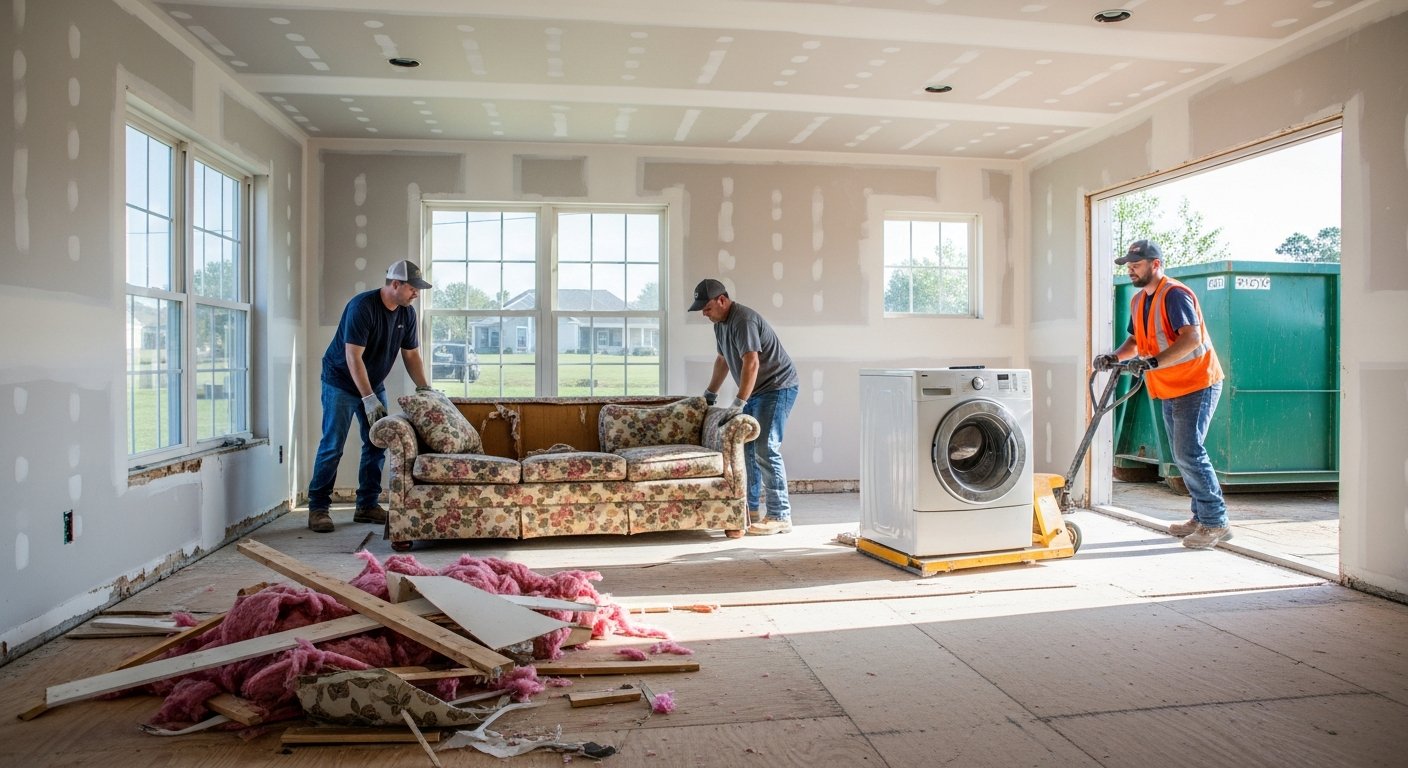
The initial walkthrough of a flipped property often reveals layers of debris: old furniture, carpet remnants, drywall scraps, and appliance carcasses. Without a plan, this clutter becomes a bottleneck. Subcontractors cannot work efficiently in a cluttered space, and inspections get delayed. The solution is not just to haul trash but to coordinate removal as a logistical operation, one that aligns with your renovation schedule and local regulations.
Assessing the Scope Before You Start
Before you call a single hauling service, you must quantify what you are dealing with. Walk the property with a notebook and a camera. Identify the types of waste: construction debris, household items, yard waste, and potentially hazardous materials. Estimate volume in cubic yards by measuring piles or counting bags. This assessment directly dictates the size and number of dumpsters you need, as well as the rental duration.
A common mistake is underestimating the weight of materials. Wet drywall, concrete, and tile are extremely heavy. Overloading a dumpster can lead to extra fees or even a refused pickup. To avoid this, ask your dumpster provider about weight limits and overage charges. In our guide on safe household hazardous waste disposal in Arkansas, we cover how to handle items that cannot go in a standard dumpster, which is a crucial part of the assessment phase.
Also, consider the disposal regulations in your local jurisdiction. Some areas require permits for dumpsters placed on the street, while others have strict rules about recycling certain materials. A quick call to the city or county office can save you from fines and delays. Your dumpster rental company can often provide guidance, but the responsibility ultimately rests with you.
Choosing the Right Dumpster for the Job
Selecting the correct dumpster size is a balance between cost and efficiency. Too small, and you will need multiple hauls, wasting time. Too large, and you are paying for unused space. For a typical house flip, a 20-yard dumpster works for small to medium projects, while a 30 or 40-yard unit suits full gut renovations. If your cleanout is primarily furniture and light debris, a 15-yard container might suffice.
Here is a quick breakdown of common dumpster sizes and their best uses:
- 10-yard: Small cleanouts, single-room renovations, or heavy materials like concrete.
- 20-yard: Medium projects, kitchen and bath remodels, or clearing out a two-bedroom house.
- 30-yard: Whole-house cleanouts, major demolition, or large additions.
- 40-yard: Large commercial projects, multi-unit flips, or extensive structural work.
Once you have chosen a size, think about placement. The dumpster should be positioned to allow easy access for both the drop-off truck and the workers who will be loading it. A driveway is ideal, but if you must place it on the street, check for permit requirements. Also, protect the surface beneath the dumpster with plywood to prevent damage from heavy loads.
Coordinating Schedules for Maximum Efficiency
Waste removal cannot happen in a vacuum; it must be synchronized with your construction timeline. The best approach is to schedule dumpster delivery before the demolition phase begins. That way, workers can immediately dispose of debris as they tear out walls, floors, and fixtures. A dumpster on site from day one prevents the accumulation of unsafe piles.
Plan for a mid-project pickup and swap if your renovation generates waste in phases. For example, you might fill a dumpster with demolition debris, have it hauled away, and then schedule a second delivery for the trash from the rebuild phase. Communicate your schedule clearly with your dumpster provider, including expected pickup dates. Many companies offer flexible scheduling, but last-minute changes can incur fees.
Another key coordination point is with your subcontractors. Make it clear that all waste must go into the dumpster, not left in piles around the property. Designate a specific loading area and keep the path to the dumpster clear. This simple rule prevents confusion and keeps the site organized, which speeds up every subsequent trade.
Sorting and Segregation for Cost Savings
Not everything from a house flip needs to go to a landfill. Sorting materials as you load can significantly reduce disposal costs and support sustainability. Recyclable materials like metal, cardboard, and certain plastics can be diverted. Clean wood can be recycled or donated. Even old appliances can be scrapped for cash or picked up by specialty services.
Consider creating separate piles or containers for different waste streams. For example, keep a designated area for metal scrap, which you can sell to a local scrap yard. Set aside reusable items like cabinets, doors, and light fixtures for donation to habitat restoration charities. This not only reduces landfill waste but also lowers the total weight of your dumpster, potentially saving you money on overage fees.
Be cautious with hazardous materials. Paint, solvents, batteries, and fluorescent bulbs require special handling. Simply tossing them into a dumpster can be illegal and dangerous. Check with your local waste management authority for drop-off locations or scheduled collection events. Your dumpster rental company can also advise on which items are prohibited in their containers.
Handling Unexpected Surprises
House flips are notorious for hidden problems. You might discover asbestos in old insulation, mold behind drywall, or buried trash in the backyard. These surprises can derail your cleanout schedule if you are not prepared. The key is to remain flexible and have contingency plans.
If you suspect hazardous materials, stop work immediately and call in professionals. Asbestos and lead require certified abatement contractors. Mold remediation may also be necessary before you can safely proceed. While these services add to your budget, they are non-negotiable for safety and legal compliance.
For less severe surprises, such as a larger volume of debris than anticipated, your dumpster provider can often arrange an emergency pickup or deliver an additional container. Having a relationship with a responsive provider is invaluable. Always ask about their policy for additional pickups and whether they offer same-day service in urgent situations.
Donating and Selling Usable Items
A house flip cleanout is not just about discarding; it is also about recovering value. Items that are still in good condition can be sold or donated, offsetting some of your cleanout costs. For example, vintage fixtures, solid wood doors, and working appliances have resale value. Online marketplaces and local salvage buyers are excellent outlets.
Before you haul everything to the dump, set aside a salvage area. Take photos and list items online quickly, as you cannot afford to store them indefinitely. Alternatively, schedule a donation pickup with a charity like Habitat for Humanity ReStore. They often accept used building materials and furniture, providing you with a tax deduction and saving you hauling fees.
Be realistic about what is worth saving. If an item is damaged or heavily worn, it is likely not worth the time and space. The goal is to streamline your cleanout, not create a secondary storage problem. Focus on items that are easily sellable or that bring a clear financial or charitable benefit.
Working with a Professional Waste Removal Partner
The most effective way to ensure a quick turnaround is to partner with a dumpster rental company that understands the demands of house flipping. Look for a provider that offers transparent pricing, reliable delivery and pickup, and local expertise. They should be able to recommend the right container size and schedule based on your specific project.
When evaluating providers, ask about their availability and response times. A company that can deliver a dumpster within 24 hours is a valuable asset. Also, inquire about their policies on weight limits, prohibited items, and rental extensions. A clear contract with no hidden fees is essential to avoid budget surprises.
For flippers in Arkansas, choosing a local service is particularly important. Local providers understand regional waste regulations, landfill fees, and common construction materials in the area. They can also offer faster turnarounds because their hauling routes are optimized for the region. This local knowledge translates into fewer delays and a smoother cleanout process.
Streamlining the Final Walkthrough
Once the renovation is complete, the final cleanout is the last hurdle before listing the property. This phase involves removing construction debris, cleaning the interior, and ensuring the property is move-in ready. Schedule the final dumpster pickup for the day after the last trade finishes, but keep the dumpster on site until you are absolutely sure no more waste will be generated.
Coordinate with your cleaning crew so that they can work in a debris-free environment. A clean, empty space is easier to stage and photograph, which directly impacts your listing’s appeal. The faster you can clear the site, the sooner you can list the property and start attracting buyers.
In summary, house flipping cleanout: coordinating waste removal for quick turnaround is a discipline that separates profitable flips from money pits. By assessing your waste, choosing the right dumpster, scheduling deliveries strategically, sorting materials, and partnering with a reliable provider, you can keep your project on track. Every hour saved on waste removal is an hour you can invest in higher-value tasks like quality finishes and effective marketing.
The goal is not just to remove trash but to do so with surgical precision. A well-managed cleanout minimizes downtime, reduces risk, and maximizes your return on investment. As you plan your next flip, treat waste removal as a critical project phase, not an afterthought. The speed of your turnaround depends on it.